
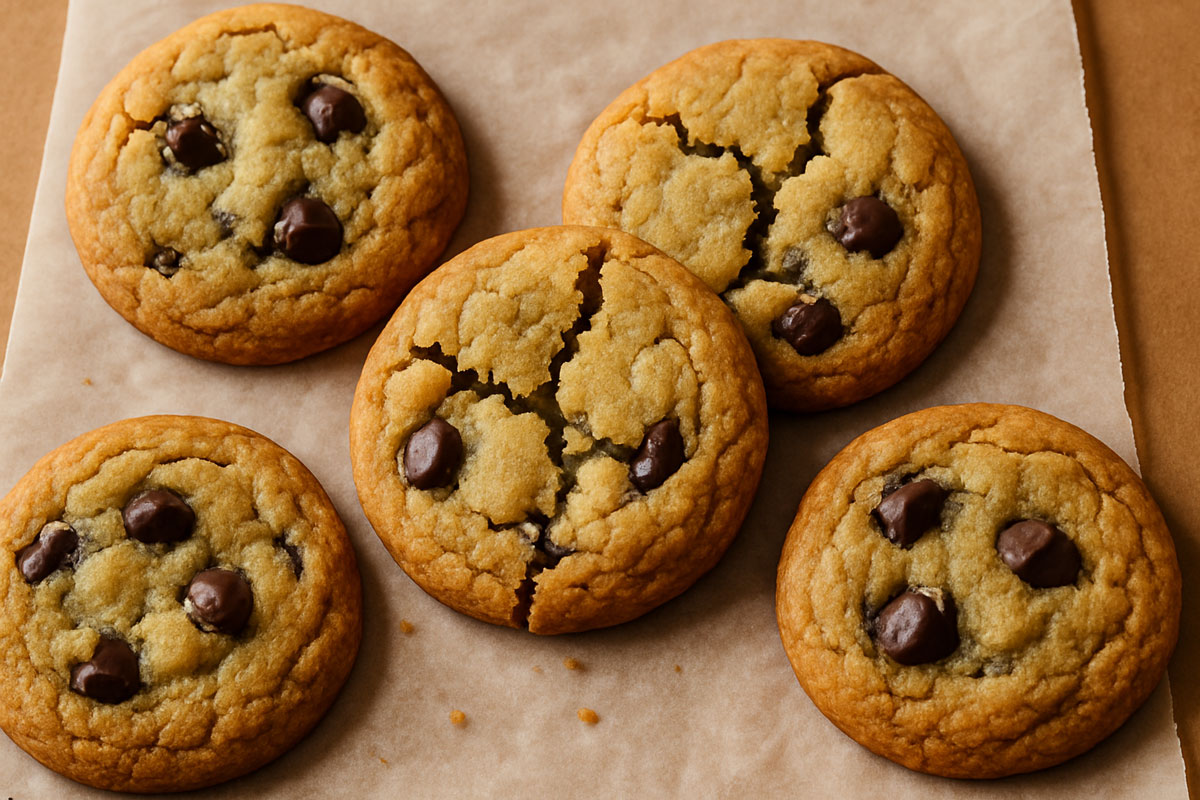
Have you ever pulled a tray of cookies out of the oven, only to find them cracked, crumbling, or falling apart when cooled? You’re not alone. Understanding why cookies crumble is the first step toward baking the perfect batch. In this guide, we’ll explore the science behind cookie structure, what causes cracks, and how to fix them.
1. The Role of Fat in Cookie Structure
Butter, margarine, or shortening adds flavor and helps create that irresistible chewy or crisp texture. However, using too much fat—or fat that’s too soft—can cause your cookies to spread excessively and fall apart. To maintain cookie structure, start with chilled, firm butter and measure accurately.
2. Overmixing Your Dough
Overmixing cookie dough develops too much gluten, which can lead to tough cookies that crack on top. Aim to mix just until the ingredients come together. This is especially important for recipes using all-purpose flour.
3. Not Enough Binding Ingredients
Eggs are a crucial binding agent in most cookie recipes. If your cookies are crumbly, you may be using too few eggs—or none at all. Vegan or egg-free bakers can use alternatives like flaxseed meal or mashed banana, but adjustments are key for holding everything together.
4. Dry or Crumbly Dough
A dry dough often leads to cookies that crumble or crack too much after baking. Causes include too much flour, not enough fat or liquid, or omitting a key moist ingredient. To test: press your dough into a ball—if it doesn’t hold its shape, it’s likely too dry.
5. Cooling Too Quickly
Freshly baked cookies continue to set as they cool. If moved too soon, they may fall apart. Let them rest on the baking tray for at least 5–10 minutes before transferring to a wire rack.
6. The Science Behind Cracks
Some cookie types—like molasses or crinkle cookies—are meant to crack. These cracks form when the outside sets before the inside expands. However, unwanted cracks often mean your oven is too hot or the dough is too dry. Use an oven thermometer to verify accuracy.
7. Solutions and Baking Tips
- Use fresh, room-temperature ingredients.
- Weigh flour instead of scooping to prevent excess.
- Test your oven temperature regularly.
- Chill dough before baking for better shape and structure.
- Add a tablespoon of milk or yogurt if your dough seems dry.
Final Thoughts
Cookie baking is part science, part art. If your cookies crumble or crack more than expected, take a moment to review your ingredients, mixing technique, and baking time. With a few small adjustments, you’ll be on your way to perfectly baked, structurally sound cookies every time.