
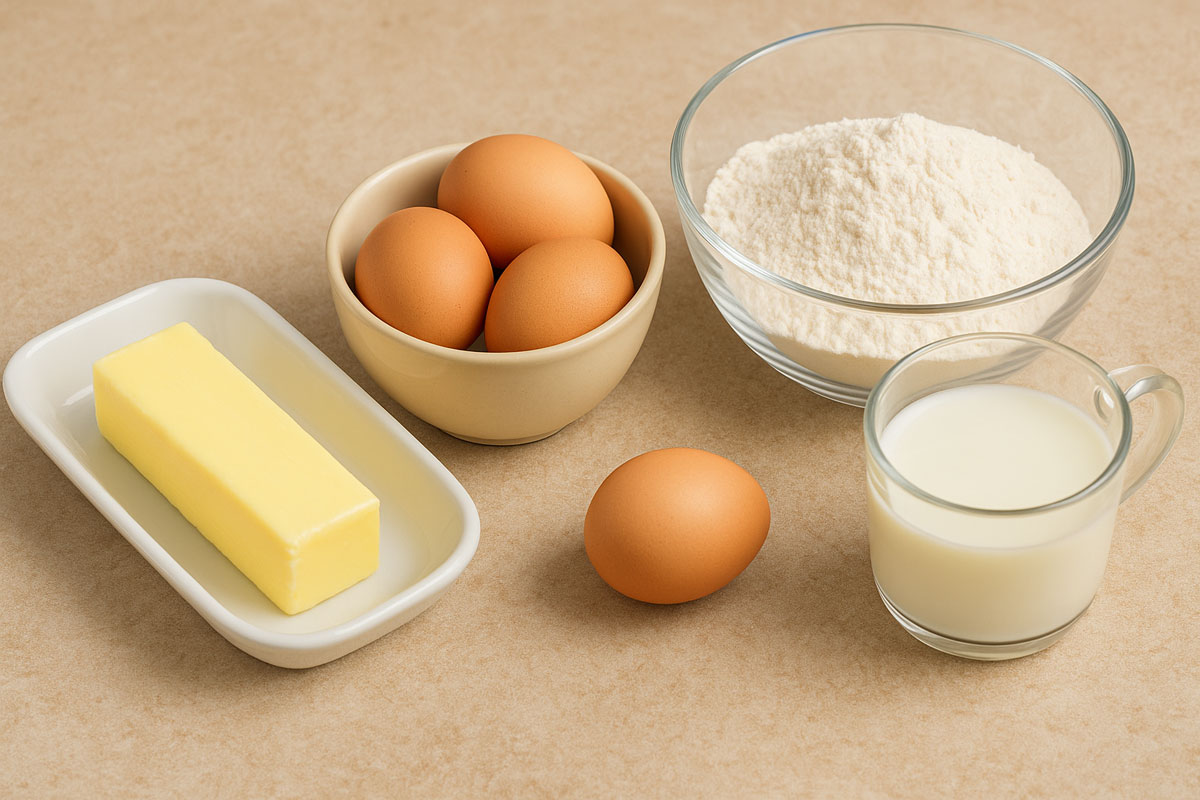
Ever wondered why so many cookie recipes insist on using room temperature butter, eggs, or milk? It’s not just a suggestion—it’s a secret weapon. The temperature of your ingredients can dramatically influence how your cookies mix, rise, and taste. Let’s explore the science and magic behind using room temperature ingredients in cookie baking—and why a little patience leads to a much better batch.
Why Room Temperature Matters
Room temperature ingredients mix more evenly and create a more stable dough. When all elements are at a similar temperature, they emulsify properly, resulting in a uniform texture and better structure. Cold ingredients can cause curdling, uneven mixing, or flat cookies that spread too much or not at all.
Room Temperature Butter: Creaming is Key
Butter is the most temperature-sensitive ingredient in cookie recipes. When it’s too cold, it won’t cream properly with sugar, resulting in a dense dough. When it’s too soft or melted, it can make the dough greasy and cause the cookies to overspread.
- The ideal: Soft but cool butter—press your finger into it, and it should leave an indent without sinking in entirely.
- Why it matters: Proper creaming creates tiny air pockets that help lift your cookies as they bake, producing a tender, light crumb.
- Pro tip: Leave butter out for about 30–60 minutes before baking. If short on time, cut it into small cubes to warm faster.
Room Temperature Eggs: Smooth Emulsification
Eggs bind ingredients, add moisture, and contribute to structure. Cold eggs can cause your beautifully creamed butter and sugar to seize or separate, resulting in a lumpy or greasy dough.
- The ideal: Eggs that have been out of the fridge for 30 minutes.
- Why it matters: Room temperature eggs emulsify better with fats and sugar, ensuring a smooth, even dough.
- Pro tip: Forgot to take them out early? Place eggs in a bowl of warm (not hot) water for 5–10 minutes to bring them to temp quickly.
Room Temperature Milk or Cream: Consistency and Even Mixing
Many cookie recipes call for a splash of milk or cream to soften the dough or activate baking soda. Adding cold liquid can cause butter to harden or separate unexpectedly.
- Why it matters: Cold liquids shock the dough, creating inconsistency. Room temp liquids maintain smooth blending.
- Pro tip: Pour what you need and let it sit on the counter for 15–20 minutes before adding to the dough.
Bonus: Room Temperature Dough Enhances Flavor
Letting your dough rest (and come closer to room temperature before baking) also allows the flour to fully hydrate and the flavors to deepen. Some bakers even chill the dough and then let it sit at room temp for 10–15 minutes before scooping and baking. This added rest period can help produce cookies with crisp edges and chewy centers.
Final Thoughts: It’s Worth the Wait
Using room temperature ingredients may seem like a small detail, but it has a big impact on the outcome of your cookies. From achieving a fluffier dough to ensuring even mixing and better flavor, this one step can take your cookies from good to bakery-quality. So next time you’re baking, take a pause—let your ingredients come to room temperature—and taste the magic in every bite.