
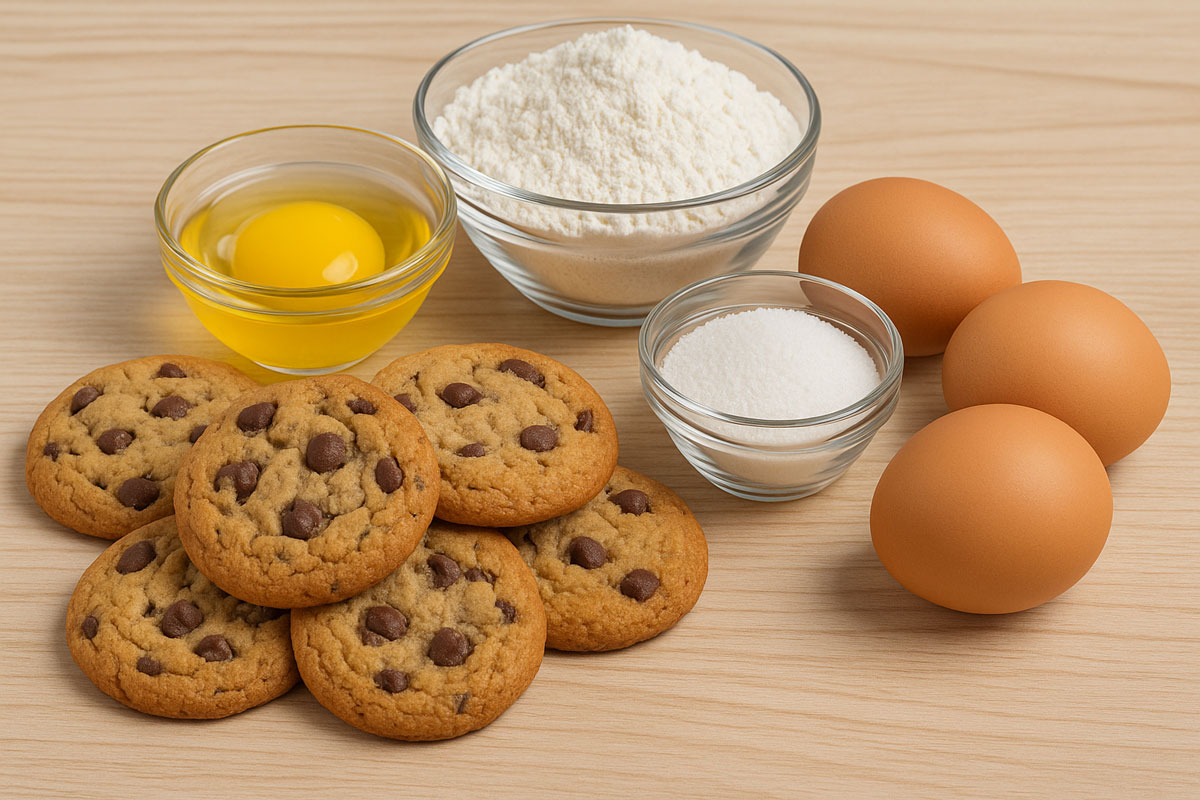
Eggs do more than just bind ingredients—they’re the secret to mastering cookie texture. Whether you’re aiming for chewy centers, crispy edges, or light and cakey cookies, knowing how to tweak the egg component in your dough gives you serious baking control. We will now break down the science behind eggs in cookie recipes and how to adjust them to suit your desired outcome.
The Role of Eggs in Cookie Dough
Eggs contribute moisture, fat, and structure to cookies. They help hold ingredients together, encourage browning, and affect how cookies rise and spread. The typical cookie recipe uses one whole egg—but experimenting with yolks or whites separately can dramatically change the end result.
Whole Eggs: The All-Rounder
Using whole eggs is standard for classic cookies like chocolate chip or sugar cookies. The yolk adds richness and tenderness, while the white provides protein for structure. A balanced cookie with a chewy bite and golden edges often comes from this all-purpose approach.
Just Yolks: Rich and Tender
If you want extra soft or rich cookies (think shortbread or melt-in-the-mouth butter cookies), try using only egg yolks. Yolks are high in fat, which promotes tenderness and inhibits gluten development—perfect for delicate textures. Replacing one whole egg with two yolks can also enhance chewiness in chocolate-based cookies.
Just Whites: Crisp and Light
For crisp or lighter-textured cookies, such as meringue-style or biscotti, egg whites are the star. They contribute structure but lack fat, leading to drier, firmer results. Substituting a whole egg with two whites makes a cookie thinner and crunchier—ideal if you like crisp edges with a snap.
Egg Size Matters
Most recipes call for large eggs. Using eggs that are too big can add excess moisture and cause cookies to spread too much, while smaller eggs might lead to dry dough. Always use the size specified—or adjust flour and fat levels accordingly.
Tips for Texture Control Using Eggs
- Chewy Cookies: Use an extra egg yolk and slightly underbake.
- Crispy Cookies: Use just egg whites and bake longer at a lower temperature.
- Cakey Cookies: Use a whole egg plus an extra white, and cream the butter and sugar well for more air incorporation.
- Dense Cookies: Use only yolks and chill the dough before baking.
Final Thoughts
Mastering the use of eggs in cookies allows you to create your ideal texture—whether that’s soft and gooey, crisp and golden, or light and cakey. With a little experimentation, you can tailor every batch of cookies to your taste, simply by adjusting the eggs. Next time you’re baking, think beyond the shell and use eggs as your secret texture weapon.