
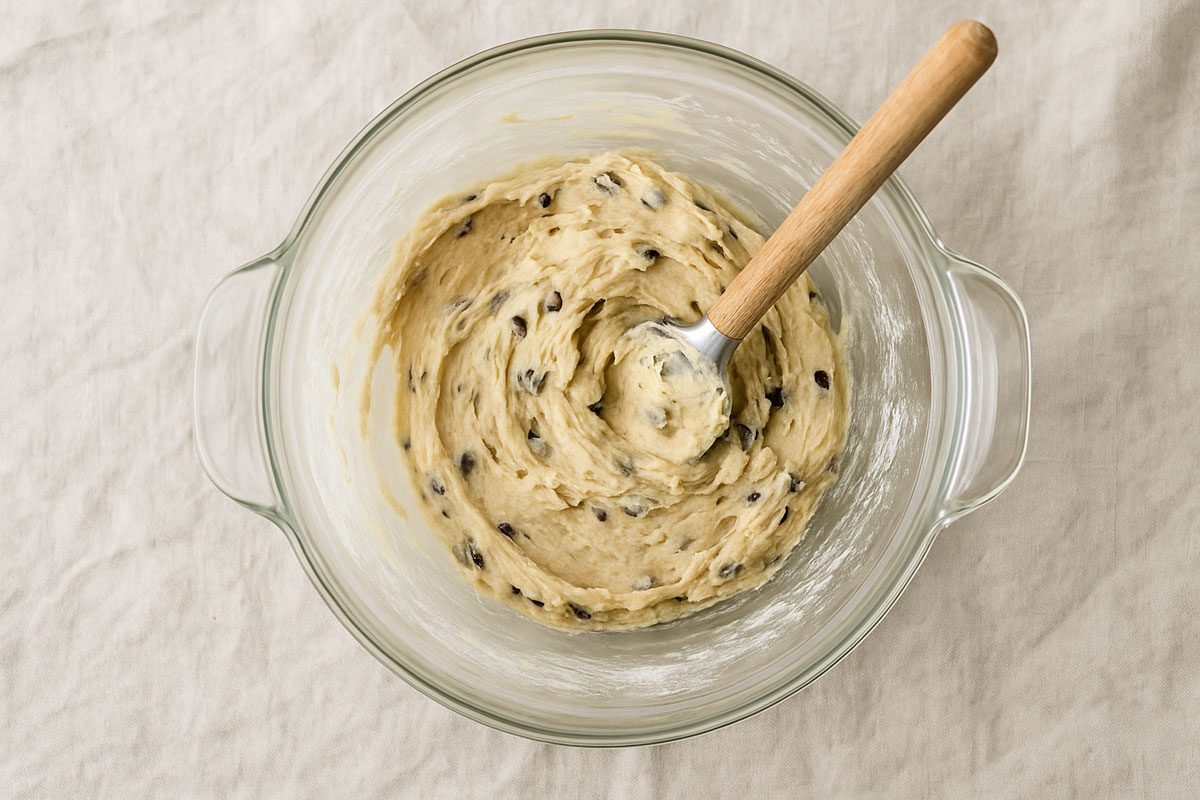
If your homemade cookies often turn out dense, dry, or oddly flat, you might be making one of the most common baking mistakes: overmixing your cookie dough. While mixing is an essential step in the baking process, there’s a fine line between combining your ingredients properly and going too far. Understanding how to prevent overmixing—and why it matters—can take your cookies from average to bakery-quality. Whether you’re baking classic chocolate chip cookies, chewy oatmeal cookies, or festive sugar cookies, mastering this one skill can dramatically improve the final texture and flavor.
What Is Overmixing?
Overmixing happens when cookie dough is stirred or beaten for too long after the flour is added. Flour contains proteins (mainly glutenin and gliadin) that, when hydrated and agitated, form gluten. Gluten is what gives bread its chewiness and structure—but in cookies, too much gluten development leads to toughness and a lack of tenderness. While a little gluten is needed to hold the dough together, overworking it changes the texture entirely. Instead of a light, soft, or crisp cookie, you’re left with something more bread-like or rubbery—not ideal for cookie lovers.
Why Overmixing Cookie Dough Is a Problem
It might seem harmless to stir a few extra times or beat the dough a little longer, but overmixing can affect every part of your cookie—from the way it bakes to the way it tastes.
- Texture issues: Overmixed dough develops too much gluten, making cookies tough, cakey, or gummy instead of soft, crisp, or chewy.
- Spread problems: A warm, overmixed dough may spread too much during baking, leading to flat, thin cookies that run into each other.
- Loss of lift: Vigorous mixing can knock out the air that was gently incorporated during creaming, making cookies dense rather than light.
- Inconsistent results: Overmixed dough may bake unevenly, especially if mix-ins like chocolate chips or nuts sink to the bottom due to thin texture.
The good news? Avoiding overmixing is simple once you understand a few key techniques.
How to Prevent Overmixing Cookie Dough
Preventing overmixing starts with mindful baking. Follow these tips to mix your dough properly and preserve the texture you want:
1. Cream the butter and sugar properly—but not too long
Creaming butter and sugar helps create air pockets for lift. Beat just until the mixture is light and fluffy—usually 2–3 minutes. Over-creaming can soften the butter too much, warming the dough and making overmixing more likely later.
2. Combine dry ingredients separately
In a separate bowl, mix your flour, baking soda (or baking powder), salt, and spices together before adding to the wet ingredients. This ensures even distribution and reduces the need to mix the dough for too long afterward.
3. Switch to low speed or hand mixing
Once the dry ingredients go in, reduce your mixer speed to low—or better yet, finish by hand using a wooden spoon or spatula. This gives you more control and helps prevent overmixing.
4. Mix until just combined
As soon as the flour disappears into the dough, stop. A few streaks or lumps are perfectly fine; they’ll even out in the oven. If you’re unsure, err on the side of undermixing.
5. Fold in mix-ins gently
Add chocolate chips, dried fruit, nuts, or other ingredients after the flour is incorporated. Use a folding motion to gently mix them in without working the dough further.
6. Chill your dough if needed
If your dough feels soft or warm, refrigerate it for 20–30 minutes before baking. This helps prevent excessive spread and gives gluten a chance to relax.
When More Mixing Might Be Okay
Not all cookies suffer from a little extra mixing. In fact, some structured cookie types—like biscotti, rolled sugar cookies, or gingerbread—benefit from a firmer dough. These recipes are usually formulated to handle extra handling and require more shape retention. That said, even in those cases, mindful mixing is still important. The key is to follow the recipe’s instructions and mix only as much as needed to create a uniform dough.
Final Thoughts: Mix Smart for Better Cookies
Cookie baking is as much about technique as it is about ingredients. Knowing how to prevent overmixing can save your batch and help you create cookies with the perfect texture, shape, and flavor. Whether you’re a casual weekend baker or working on your signature cookie recipe, being aware of how and when you mix can make a huge difference. Gentle, intentional mixing is one of the easiest ways to level up your baking skills—and it just might be the secret behind your new favorite cookie.
Frequently Asked Questions
Q: Can I fix overmixed cookie dough?
A: Once gluten has developed, it can’t be undone—but you may be able to salvage the batch by letting the dough rest in the fridge and reducing baking time slightly. Results may still vary.
Q: Does hand mixing help prevent overmixing?
A: Yes! Mixing by hand gives you greater control and naturally limits overmixing, making it an excellent choice for delicate cookie recipes.
Q: Should I always chill my dough?
A: Chilling isn’t required for all recipes, but it can help firm up the dough, reduce spreading, and relax gluten—especially useful if the dough was mixed a bit too long.