
You are currently viewing Storytelling Through Celtic Cookie Shapes and Symbols

Storytelling Through Celtic Cookie Shapes and Symbols

Baking cookies can be more than just a sweet treat—it can also be a way to honor tradition, share stories, and spark curiosity. At Celtic Cookie, we believe that each shape, swirl, and knot carries more than just visual appeal—it holds meaning. By drawing inspiration from ancient Celtic art, folklore, and heritage, your cookies can become edible tales that connect generations.

For centuries, the Celts used symbols to pass down wisdom, values, and spiritual insight. These icons adorned everything from standing stones to jewelry, manuscripts, and textiles. Today, that same symbolic language can live on through the craft of baking. Whether you’re designing cookies for a family celebration or a Celtic festival, each shape becomes part of a bigger narrative—one of ancestry, identity, and imagination.


The Meaning Behind the Symbols

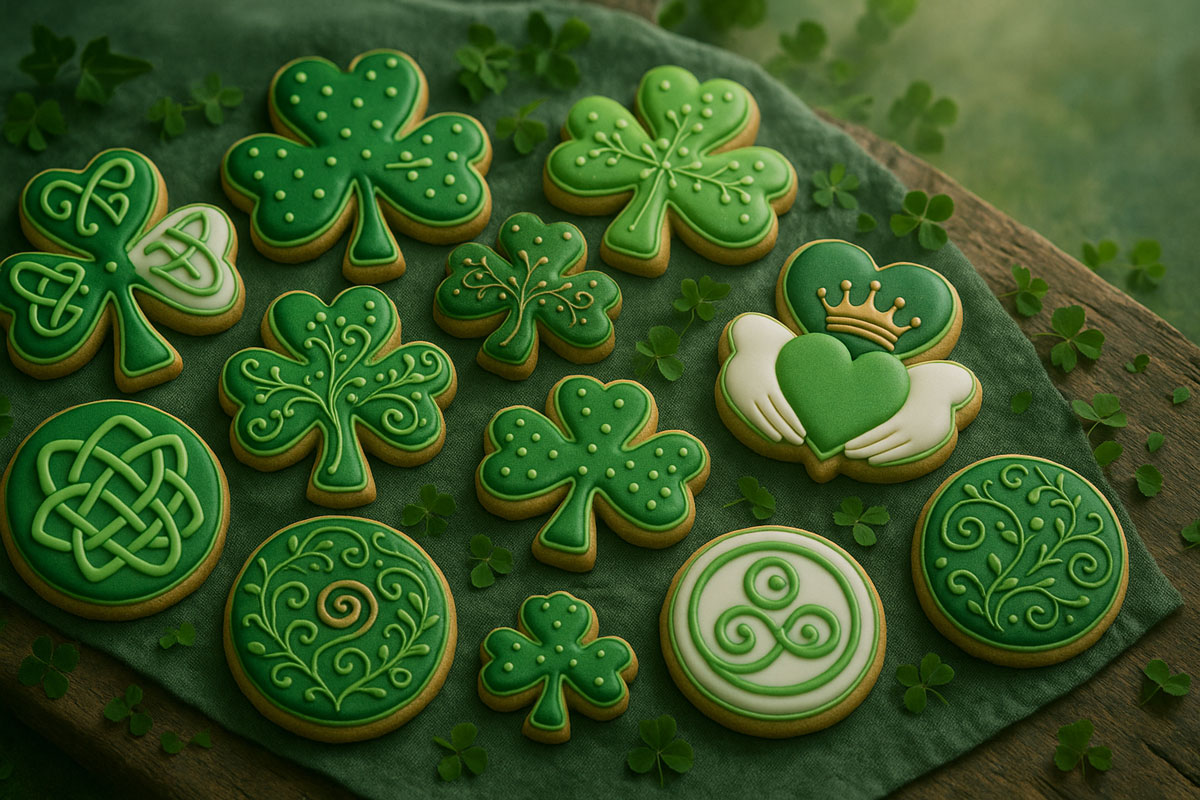
Celtic symbols are rich in both history and spirituality, often tied to nature, myth, and cycles of life. The triskele, or triple spiral, is one of the oldest symbols in Celtic art, representing motion, progress, and balance among earth, water, and sky. It also reflects the three stages of life—birth, death, and rebirth—and is commonly associated with personal growth and transformation.

The Claddagh—depicting two hands holding a crowned heart—is deeply rooted in Irish culture. This symbol speaks of enduring bonds: love (heart), friendship (hands), and loyalty (crown). Whether gifted or served at gatherings, a Claddagh-shaped cookie can become a meaningful gesture that transcends taste.


Popular Celtic Cookie Shapes

  • Shamrocks: A timeless emblem of Ireland, the shamrock is said to bring good luck and was famously used by St. Patrick to explain the Christian Holy Trinity. In cookie form, it brings festive charm to St. Patrick’s Day and beyond.
  • Celtic Knots: These intricate, endless loops symbolize eternity, unity, and the interwoven nature of life. They can reflect the bonds of family, friendship, or faith—perfect for weddings, anniversaries, or memorial gatherings.
  • Spirals and Swirls: Often seen in prehistoric stone carvings at sites like Newgrange, spirals evoke themes of growth, evolution, and spiritual journey. They also make visually stunning cookies that captivate with symmetry and flow.
  • Animals of Celtic Lore: Animals played a vital role in Celtic mythology. The stag symbolizes strength and renewal, the wolf stands for protection and instinct, while birds often represent messages from the divine. Using animal-shaped cookies adds storytelling depth and connection to nature.


Baking as a Cultural Experience

Baking with Celtic shapes turns the kitchen into a space for cultural exploration. Whether you’re Irish by birth, heritage, or simply in spirit, using these ancient designs helps preserve traditions in a fun and delicious way. Cookie baking becomes more than a hobby—it becomes a ritual of remembrance and creative celebration.

Imagine children decorating a Celtic knot and asking what it means—or grandparents sharing stories of their homeland over tea and homemade Claddagh cookies. These are moments of connection that only deepen the joy of baking.


Tips for Success

  • Choose a firm dough, like sugar cookie or traditional shortbread, which holds detailed shapes without spreading too much during baking.
  • Chill your dough thoroughly before cutting to ensure clean, sharp lines on intricate designs like knots or spirals.
  • Use royal icing, chocolate piping, or edible gold dust to highlight the beauty of each symbol. Consider natural dyes for color symbolism—green for growth, gold for prosperity, and red for love.


Cookies That Carry a Message

Cookies may be small, but their message can be powerful. When shaped with intention and infused with story, they become edible tokens of meaning. Serve them at seasonal festivals like Imbolc, Beltane, Lughnasadh, or Samhain, or give them as gifts to honor rites of passage such as births, marriages, and home blessings.

By using Celtic symbolism in your baking, you’re participating in an ancient tradition of storytelling through form. Each cookie becomes a whisper from the past, a bite-sized blessing, or a heartfelt tribute to cultural roots.


Start Your Story Today

Next time you roll out your dough, think beyond taste and texture. Choose a Celtic shape that speaks to you—a knot for connection, a shamrock for hope, or a spiral for transformation. Let your cookies be more than delicious—let them tell a tale of history, heart, and heritage. Because at Celtic Cookie, we believe every design has a deeper story baked in.

Sugar Cookies

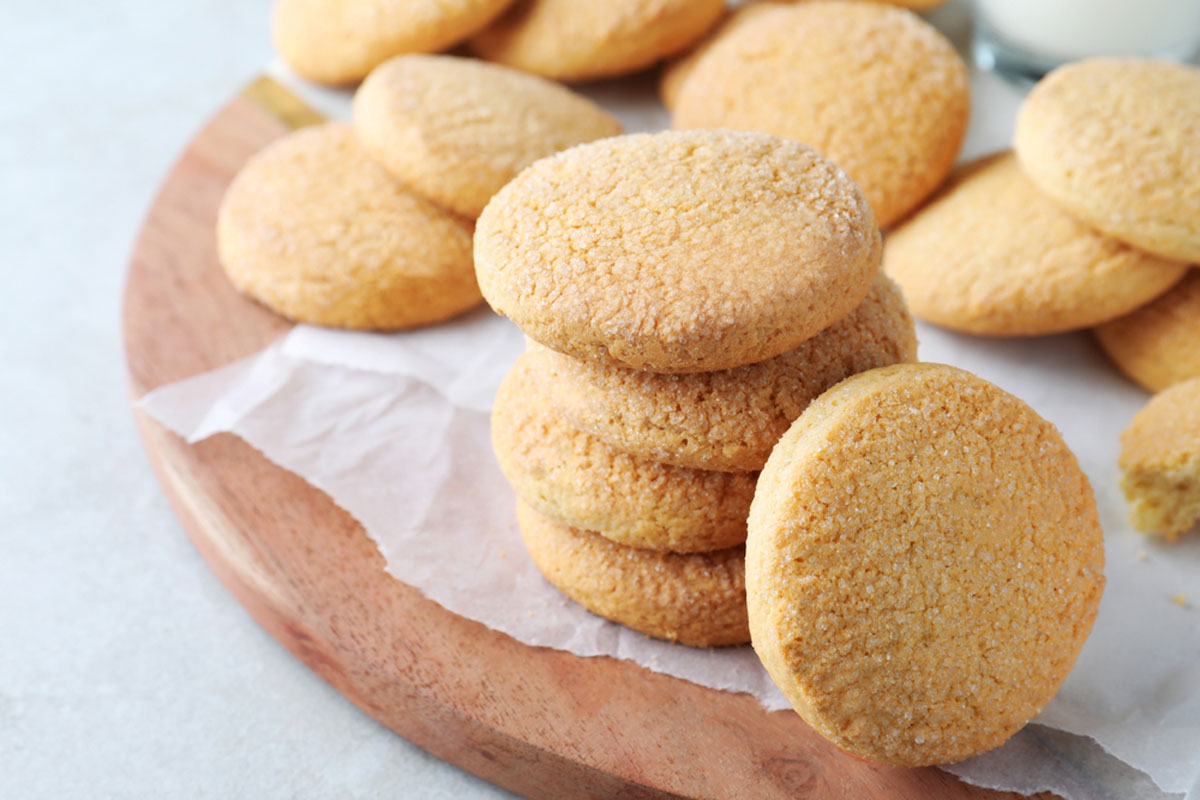
Delightfully soft and buttery, these sugar cookies are perfect for any occasion. Decorate them with icing, sprinkles, or enjoy them plain—the possibilities are endless! This recipe also includes tips and variations to customize your cookies.


Ingredients

Base Ingredients

  • 1 cup (225g) unsalted butter, softened
  • 1 cup (200g) granulated sugar
  • 1 large egg
  • 1 tsp pure vanilla extract
  • ½ tsp almond extract (optional)
  • 2 ¾ cups (345g) all-purpose flour
  • 1 tsp baking powder
  • ½ tsp salt


Optional Add-ins and Variations

  • Zest of 1 lemon or orange for a citrusy touch
  • 1 tsp ground cinnamon for a spiced version
  • Colored sugar or sprinkles for decoration


Preparation

Prep Time: 20 minutes
Chill Time: 1–2 hours
Bake Time: 8–10 minutes per batch
Yield: About 24–30 cookies


Instructions

  1. Prepare the Dough:
    • In a large bowl, cream the butter and sugar until light and fluffy (about 2–3 minutes).
    • Beat in the egg, vanilla extract, and almond extract (if using) until fully combined.
  2. Mix Dry Ingredients:
    • In a separate bowl, whisk together the flour, baking powder, and salt.
    • Gradually add the dry ingredients to the wet mixture, mixing just until a dough forms.
  3. Chill the Dough:
    • Divide the dough into two portions. Flatten each into a disk, wrap in plastic wrap, and refrigerate for at least 1 hour. This helps the dough hold its shape during baking.
  4. Preheat the Oven:
    • Preheat your oven to 375°F (190°C). Line baking sheets with parchment paper.
  5. Roll and Cut:
    • Roll out one disk of dough on a lightly floured surface to about ¼-inch (6mm) thickness. Use cookie cutters to shape the dough as desired.
  6. Decorate:
    • Transfer the shapes to the prepared baking sheets, spacing them 2 inches apart. Sprinkle with colored sugar or leave plain for decorating later.
  7. Bake:
    • Bake for 8–10 minutes, or until the edges are lightly golden. Do not overbake to keep the cookies soft.
  8. Cool:
    • Allow the cookies to cool on the baking sheet for 2 minutes, then transfer to a wire rack to cool completely.


Optional Royal Icing for Decoration

  • 2 cups (250g) powdered sugar
  • 1–2 tbsp milk or water
  • 1 tbsp light corn syrup
  • Food coloring (optional)

Mix the powdered sugar, liquid, and corn syrup until smooth. Add food coloring if desired, and pipe or spread onto cooled cookies.


Tips for Success

  • Keep Dough Cold: Chilled dough is easier to work with and prevents spreading during baking.
  • Even Thickness: Use rolling pin guides or spacers for uniformly thick cookies.
  • Customize Flavors: Swap almond extract for peppermint or coconut extract for variety.


Fun Twists

  • Glitter Cookies: Roll the dough in edible glitter before baking for a festive look.
  • Layered Sugar Cookies: Stack small and large cookie cutouts with icing in between for a 3D effect.
  • Marbled Icing: Swirl multiple icing colors for a striking decoration.


Final Touch

Sugar cookies are as versatile as they are delicious. Whether you’re creating a colorful display for the holidays or enjoying a simple, buttery treat, these cookies are sure to impress.

Happy baking—don’t forget to share your creative decorations! 😊