
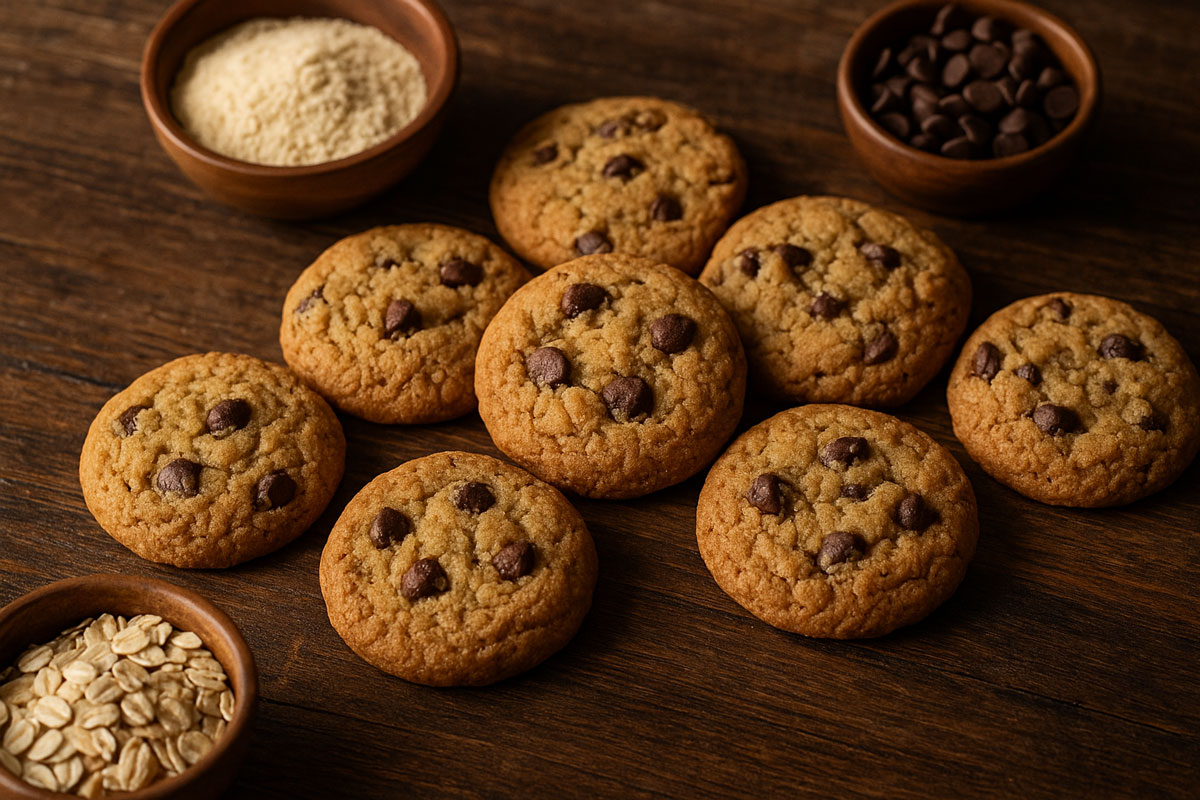
Going gluten-free doesn’t mean giving up your favorite sweet treats. With the right ingredients, techniques, and tips, you can bake cookies that are every bit as delicious as their wheat-based counterparts. This guide will walk you through what you need to know to master gluten-free cookie baking—whether you’re accommodating dietary needs, experimenting with new flavors, or simply looking for a healthier alternative.
Why Go Gluten-Free?
For people with celiac disease or gluten sensitivity, avoiding gluten is essential for health and well-being. Others choose gluten-free baking for digestive comfort, lifestyle preferences, or to explore new textures and flavors. Whatever your reason, gluten-free baking offers a wide variety of flours, binders, and recipes to explore.
Choosing the Right Gluten-Free Flours
The key to successful gluten-free cookies starts with selecting the right flour or flour blend. Unlike wheat flour, gluten-free flours each have unique textures and flavors. Popular options include:
- Almond flour – Adds a rich, nutty flavor and soft crumb.
- Oat flour – Brings a mild, sweet taste and tender texture (ensure certified gluten-free oats).
- Rice flour – A versatile, neutral base for many gluten-free blends.
- Coconut flour – High in fiber with a subtle coconut taste, best used in small amounts.
- Sorghum flour – Mild, slightly sweet, and excellent for structure.
Many bakers find success using a pre-made gluten-free flour blend designed to mimic all-purpose wheat flour. Look for blends that include a balance of starches (like tapioca or potato starch) and whole-grain flours for better texture.
The Role of Binders
Gluten gives traditional cookie dough its structure and chew. In gluten-free baking, you’ll need a binder to replicate this effect. Common choices include:
- Xanthan gum – Provides elasticity and structure in dough.
- Guar gum – Similar to xanthan gum, often used in combination with other binders.
- Eggs – Naturally bind and add moisture to the dough.
- Chia or flax “eggs” – Great vegan alternatives that add a subtle nutty flavor.
Mixing and Handling Gluten-Free Dough
Gluten-free cookie dough behaves differently from traditional dough. It’s often softer and stickier due to the lack of gluten strands. Here are some tips:
- Don’t overmix – Overworking gluten-free dough can make it crumbly.
- Chill before baking – A short chill in the fridge helps firm the dough for easier handling.
- Use parchment paper – Prevents sticking and helps cookies bake evenly.
Baking Tips for Perfect Gluten-Free Cookies
Because gluten-free cookies can dry out more quickly, a few adjustments can make all the difference:
- Lower your oven temperature slightly and extend baking time to avoid overbrowning.
- Add extra moisture with ingredients like applesauce, honey, or yogurt.
- Test doneness by touch—cookies should feel set at the edges but slightly soft in the center.
Flavor and Texture Boosters
Gluten-free cookies benefit from added layers of flavor and texture. Consider:
- Mix-ins like chocolate chips, dried fruit, or nuts.
- Warm spices such as cinnamon, nutmeg, or ginger.
- A sprinkle of sea salt on top before baking for a gourmet touch.
Popular Gluten-Free Cookie Ideas
- Almond flour chocolate chip cookies
- Oatmeal raisin cookies (using certified gluten-free oats)
- Lemon coconut macaroons
- Peanut butter cookies with no added flour
Final Thoughts
Gluten-free cookie baking is an opportunity to get creative in the kitchen. With a little experimentation and the right techniques, you can enjoy soft, chewy, and flavorful cookies that everyone—gluten-free or not—will love. Remember: the best gluten-free cookies are baked with patience, the right ingredients, and plenty of taste-testing along the way.