
Unlocking the Secret to Light, Fluffy Cookies Every Time
If you’ve ever bitten into a cookie that was dense or flat when it should have been soft and airy, chances are the butter and sugar weren’t properly creamed. Mastering this simple—but vital—step is the key to bakery-quality results in your home kitchen. At Celtic Cookie, where tradition meets technique, we believe in getting the foundations right. So, let’s dive into the creamy heart of cookie perfection.
What Does “Creaming” Actually Mean?
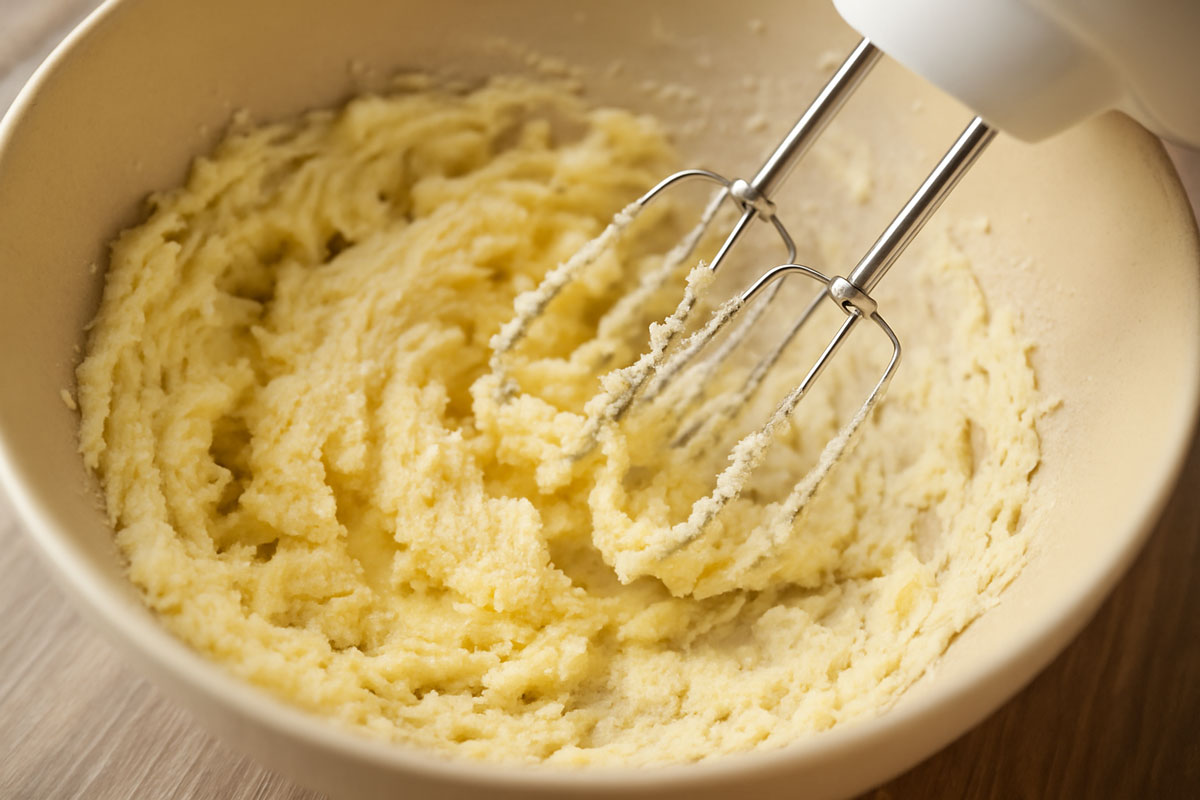
Creaming is the process of beating butter and sugar together until the mixture becomes pale, fluffy, and light. This isn’t just about combining two ingredients — it’s about incorporating air. That air expands in the oven, helping your cookies rise and giving them a tender crumb. Without this step, your cookies can end up dense, greasy, or flat.
Step-by-Step: How to Cream Butter and Sugar the Right Way
1. Use Room Temperature Butter
Cold butter won’t cream properly, and melted butter changes the texture completely. You want your butter to be soft enough to press a finger into it easily, but not melty. Think “bendable but not puddled.”
Tip: If you forgot to take the butter out, cut it into small cubes and let it sit at room temperature for 15–20 minutes. Or microwave it in 5-second bursts, turning it between bursts, until just soft.
2. Choose the Right Sugar
Granulated white sugar is classic and gives you structure and crisp edges. Brown sugar adds moisture and chewiness. Many recipes call for a combination—go with what your recipe recommends, but know that brown sugar will cream slightly differently due to its molasses content.
3. Use a Mixer, If Possible
While creaming by hand can be done, a stand or hand mixer makes the job easier and more effective. Beat the butter alone for 30 seconds first to soften it further. Then add the sugar and beat on medium-high for about 2–4 minutes.
How Do You Know It’s Done?
Look for these signs:
- The mixture is pale in color — almost white.
- It looks fluffy and feels light when scooped.
- You see slight ridges or ribbons forming as the beaters move through it.
Under-creamed? The mix will still look gritty or yellow.
Over-creamed? It may begin to separate and look greasy.
Why It Matters for Cookies
Creaming doesn’t just affect rise — it affects flavor and texture. Air pockets from creaming give your dough a chance to expand before the butter fully melts, resulting in cookies that are:
- Crisp on the edges
- Chewy in the middle
- Delicately structured, not cakey or heavy
Whether you’re baking a batch of classic Irish shortbread or a batch of oat-filled Celtic cookies, nailing this step gives your bakes a professional edge.
Troubleshooting
- Cookies Spreading Too Much?
You may have over-creamed or started with butter that was too soft. - Cookies Too Dense?
Butter might have been too cold, or you didn’t cream long enough. - Grainy Dough?
Sugar wasn’t fully incorporated. Beat a bit longer.
The Celtic Cookie Final Thought
Creaming butter and sugar might sound old-fashioned — something your grandmother insisted on doing “just so.” But it’s precisely this kind of time-honored wisdom that transforms good cookies into great ones. Here at Celtic Cookie, we blend tradition with technique so every bite tells a story. And it all starts with the cream of the crop.